Google bans sideloading Android TV apps starting in 2026 — here’s what that means for your streaming devices.
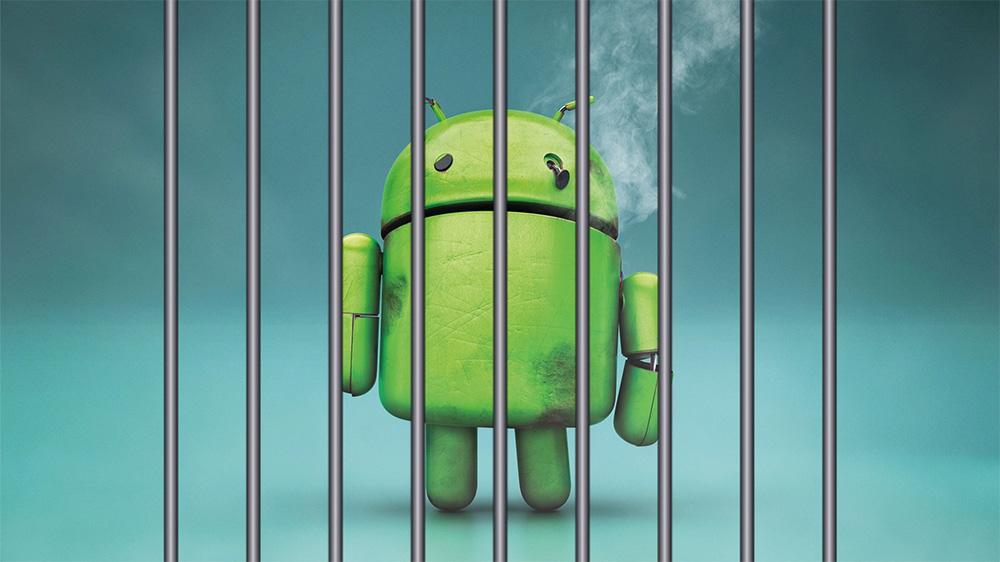
Big news for streamers: Google bans sideloading on Android TV and Google TV devices starting in 2026. That means installing unverified apps — once one of the platform’s biggest advantages — is officially coming to an end.
If you own devices like the NVIDIA Shield TV Pro or a Mi Box, here’s what this announcement means for you, your apps, and the future of streaming.
Google has since softened some of these sideloading restrictions, introducing an “experienced user” pathway and a lighter developer tier. Full details here: 👉 Google Softens Sideloading Blocks on Android
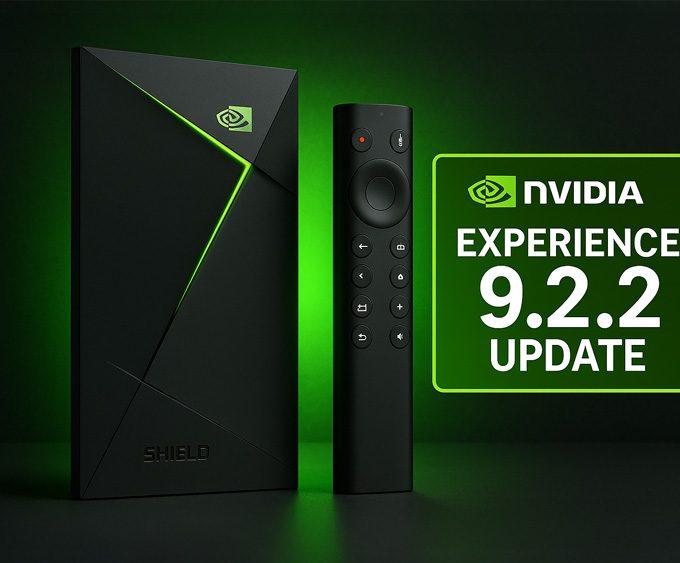
While Google reshapes how app installation works on Android TV and Google TV, manufacturers like NVIDIA continue improving their own ecosystems. The recent Shield Experience 9.2.2 update adds new accessibility features, improves remote responsiveness, and fixes long-standing bugs such as the Disney+ audio dropout issue. It’s a strong reminder that, even as policies tighten, device makers are still delivering meaningful system-level improvements.
On August 25, 2025, Google confirmed that by 2026, sideloading of unverified apps will no longer be allowed on Android TV and Google TV devices.
Testing starts in October, with rollout beginning late 2026 in Brazil, Indonesia, Singapore, and Thailand before hitting global markets.
Simply put: if an app developer hasn’t been verified by Google, you won’t be able to install their app on your streaming box or TV.
👉 For more updates like this, visit our Streaming Devices News hub.
Google compares this system to an “ID check at the airport.” The goal, according to the company, is improved security.
Since 2023, Play Store developers have been required to verify their identity, which Google claims has cut malware dramatically. Now, that same verification system is being extended to apps you sideload.
According to Google’s own analysis, sideloaded apps are significantly more likely to contain malware compared to Play Store apps.
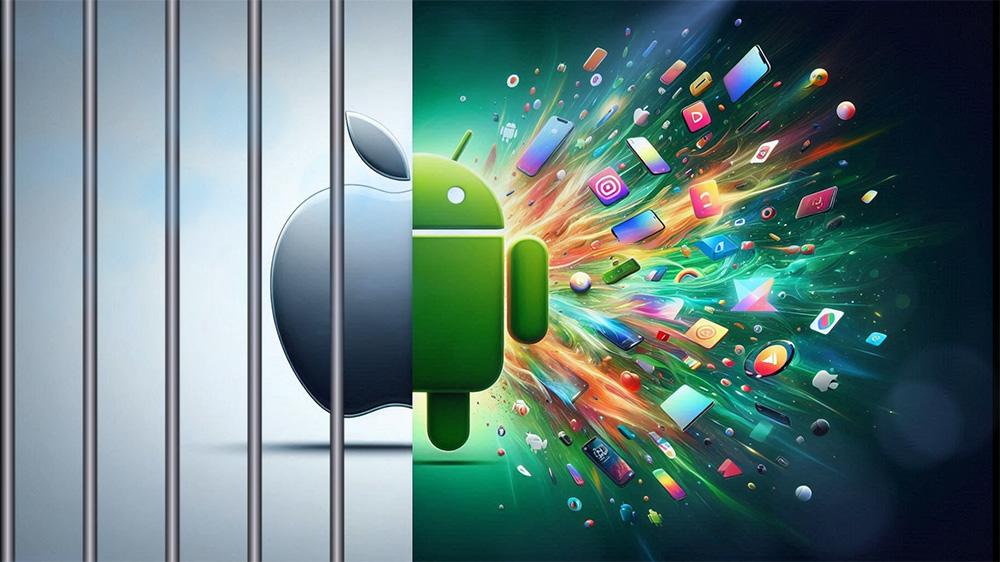
For years, Apple has been known for its strict ecosystem — if it’s not in the App Store, you can’t install it. Android and Google TV always offered the opposite: freedom, flexibility, and sideloading.
But this new policy means Google is moving closer to Apple’s “walled garden” approach.
As Android Authority has pointed out, this shift highlights the growing tension between security and user control in modern devices.
If your device runs Google services, it will be affected by the ban. That includes:
If your favourite third-party apps don’t get verified, you won’t be able to install them.
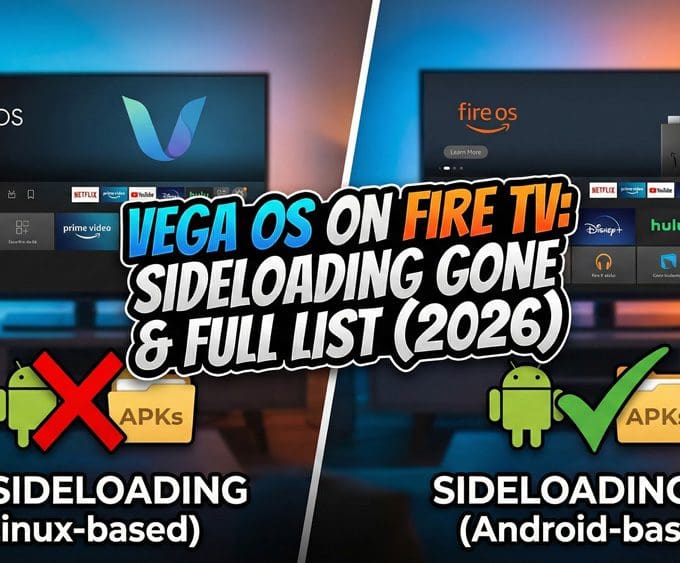
This restriction does not immediately apply to Amazon Firestick devices, which currently run Fire OS (an Android-based system). However, there are strong rumours that Amazon may soon shift Fire TV devices to their own in-house Vega OS, which could eventually impact sideloading as well. For now, Firesticks remain an alternative — but the future may look very different.
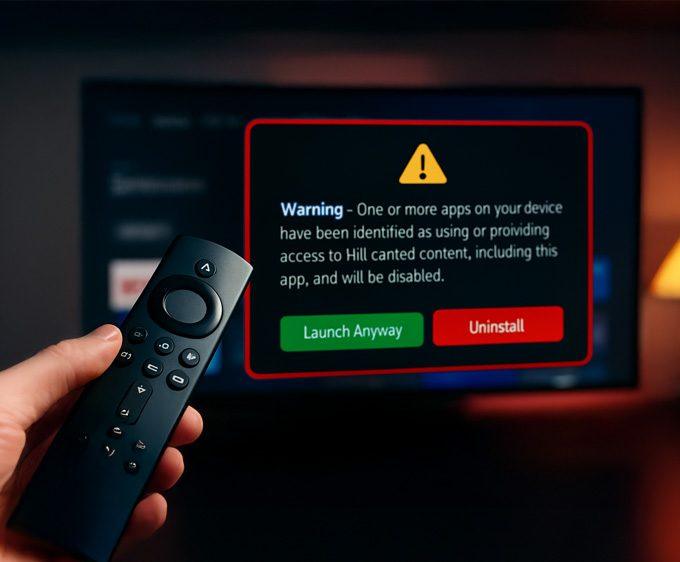
Amazon has also begun showing a new device-level alert on current Fire TV models — you can see the exact Firestick warning message and full list of affected apps here: 👉 Firestick Blocks Are Now LIVE: The Exact Warning & Full List of Affected Apps.
👉 If you’re considering alternatives, check out our full Streaming Devices Reviews hub.
Could there be workarounds? Possibly. But Google is making bypassing much harder. Whether the system will simply block installs completely or just show a warning is not yet confirmed.
By September 2026, the new requirements will take effect in Brazil, Indonesia, Singapore, and Thailand. From that date, any app installed on a certified Android device in these regions must be registered by a verified developer.
Starting in 2027 and continuing thereafter, Google will extend these requirements to more regions worldwide.
While companies frame changes like this as safety measures, many users see them as reducing freedom. After all, you paid for your device — shouldn’t you be able to choose what runs on it?
For now, this move highlights the ongoing battle between user freedom and corporate control in the streaming world.
Google’s decision to end sideloading marks the end of an era. For years, sideloading gave users the freedom to install whatever they wanted. Now, Google bans sideloading Android TV to enforce security and limit unverified apps.
Some users will accept this as a step toward greater safety. Others will see it as a frustrating loss of choice.
What do you think? Would you stick with Android TV, or switch to alternatives like Firestick or Roku? Let us know in the comments.
👉 Want to see how this compares to Amazon’s approach? Read our latest coverage on Vega OS: Amazon’s Replacement for Fire OS on Fire TV.
👉 For more updates across Fire TV, Google TV, Shield, Roku, and more, check out our Streaming Device News hub.
👉 Or browse all breaking updates in the Tech News hub.
No. Google announced it will block unverified apps from being sideloaded on Android TV and Google TV devices starting in late 2026.
Yes. The Shield TV Pro runs Android TV with full Google services, so it will be affected once Google’s verification rules roll out globally. However, NVIDIA continues releasing meaningful system updates — the latest being Shield Experience 9.2.2, which improves accessibility, remote controls, and streaming stability.
Yes — for now. Amazon Firestick devices currently run Fire OS, which is Android-based, so Google’s new restriction doesn’t apply. But rumours suggest Fire TV may transition to Vega OS in the future. If that happens, sideloading support could change or disappear.
Tanya is the founder of unboxd.tech, where she shares guides, reviews, and tips on streaming devices and apps. She focuses on making streaming simple with practical fixes and smart home insights.
Amazon has begun device-level blocks on Fire TV devices, and the Firestick...
ByTanya1 month AgoAndroid users have been watching closely as Google Android sideloading rules began...
ByTanya2 months AgoThe NVIDIA Shield TV line continues to impress. The company pushed out...
ByTanya2 months AgoFor years, UK viewers have relied on Freeview and Freesat for free-to-air...
ByGuy3 months Ago
What a read! It just feels like control to me. Thank you so much for the information!